Choosing the Right Barcelona Day Tour in Eixample
A barcelona day tour can cover a lot of ground in a short visit. The city rewards wandering, but it also has famous sights, busy streets, long queues and neighbourhoods that are easy to miss if your time is tight. Choosing well comes down to matching the day to your interests, your pace and the practical details of where you will start and finish.
The best choice is rarely the tour with the longest list of stops. A packed itinerary can feel rushed, especially in warm weather or on crowded days. Think about what you want to remember at the end of the day: architecture, food, history, sea views, family time or a balanced first look at the city. Once that is clear, the rest becomes much easier.
Start with the purpose of the day
Before comparing options, decide what the day needs to do. A first visit often calls for a broad route through the old centre and a few landmark buildings. A return visit may be better with a sharper theme, such as Modernisme, markets, coastal walks or photography. This first step prevents a common mistake: booking a route that looks impressive on paper but repeats what you already saw.
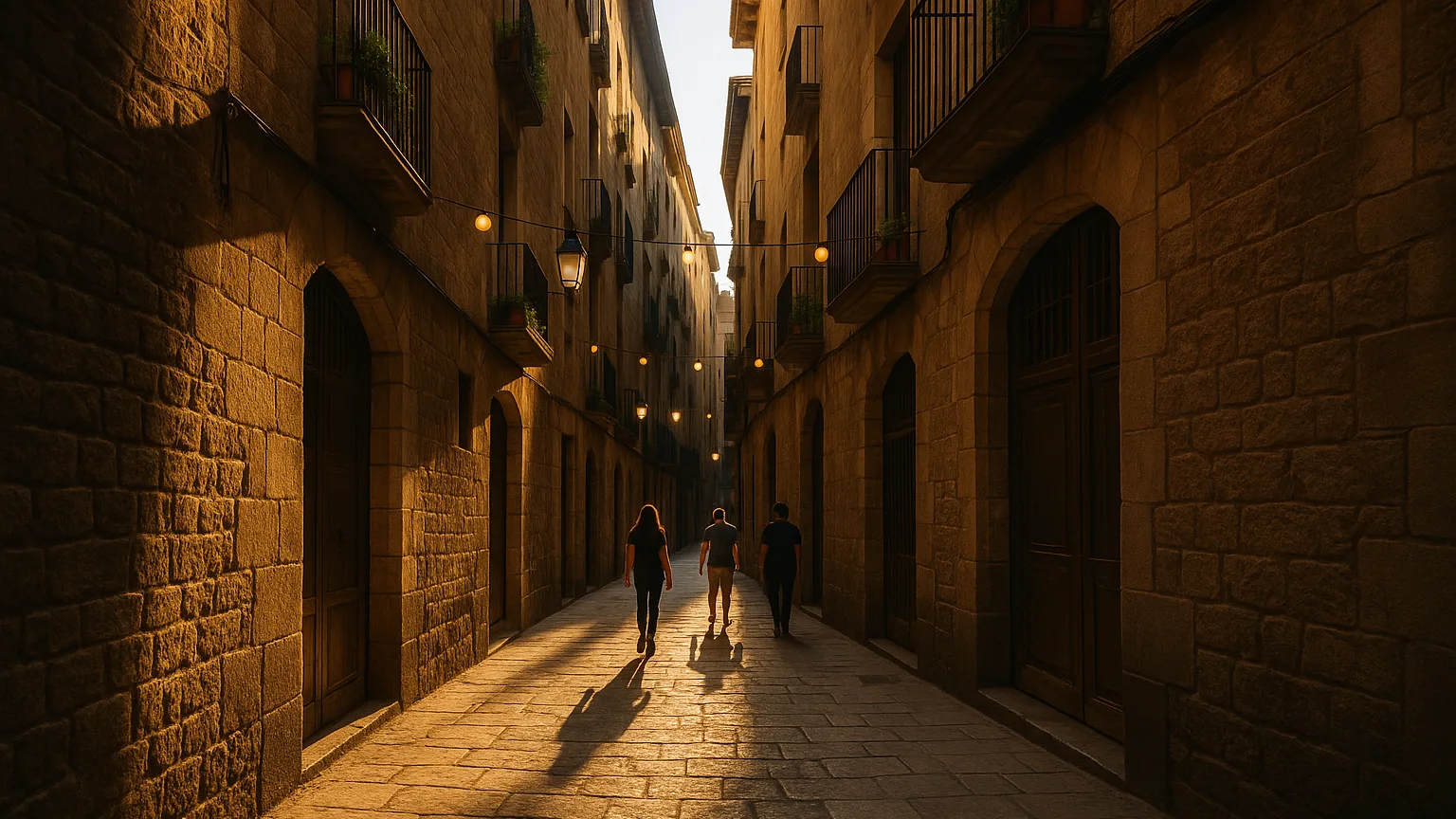
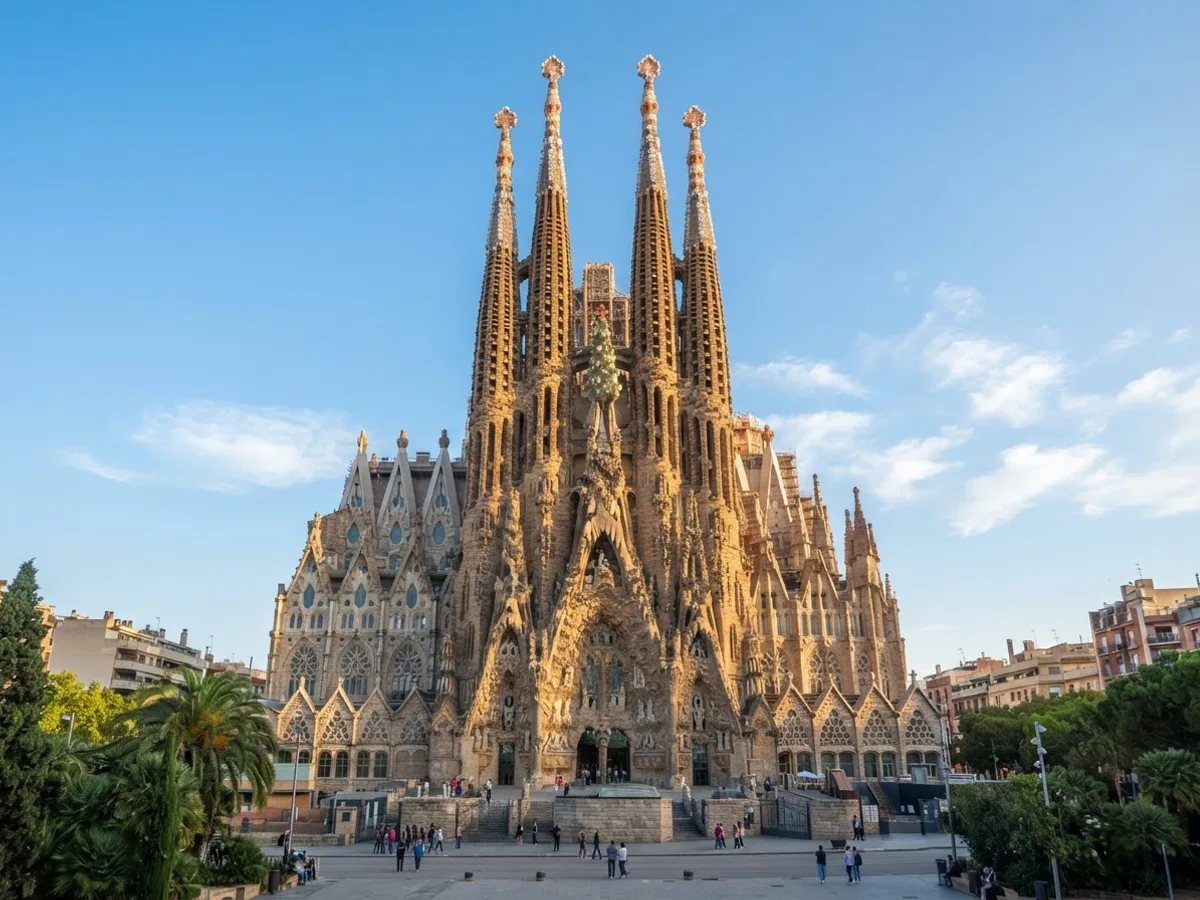
For a first-timer, a route around the Gothic Quarter, La Boqueria market and the seafront can give a useful sense of the city. If architecture is the priority, look for a day built around Sagrada Familia, Casa Batlló and Park Güell. If the mood is slower, a focus on Eixample streets, cafés and short walks may suit better than a schedule that crosses the whole city.
Be honest about attention span too. Many people enjoy a morning of structured sightseeing and a free afternoon. Others prefer a full day with few decisions to make. Neither approach is better, but they lead to different choices. A tour that leaves space for a long lunch or an unplanned stop often feels more usable than one that runs from early morning to evening.
Map the route before you commit
Location matters more than many visitors expect. Barcelona is walkable in parts, but distances add up, and a route that looks compact on a map may involve steep sections, metro changes or long waits at crossings. Read the route line by line and note where it begins, where it ends and how you will reach both points.
If you are staying in Eixample, a starting point near Pg. de Gràcia can be convenient, especially when the day includes other central stops. That said, the exact meeting point should always be checked before booking. Confirm the street, nearby metro or bus options, and what happens if you arrive a little late. A clear start reduces stress and gives the day a calmer tone.
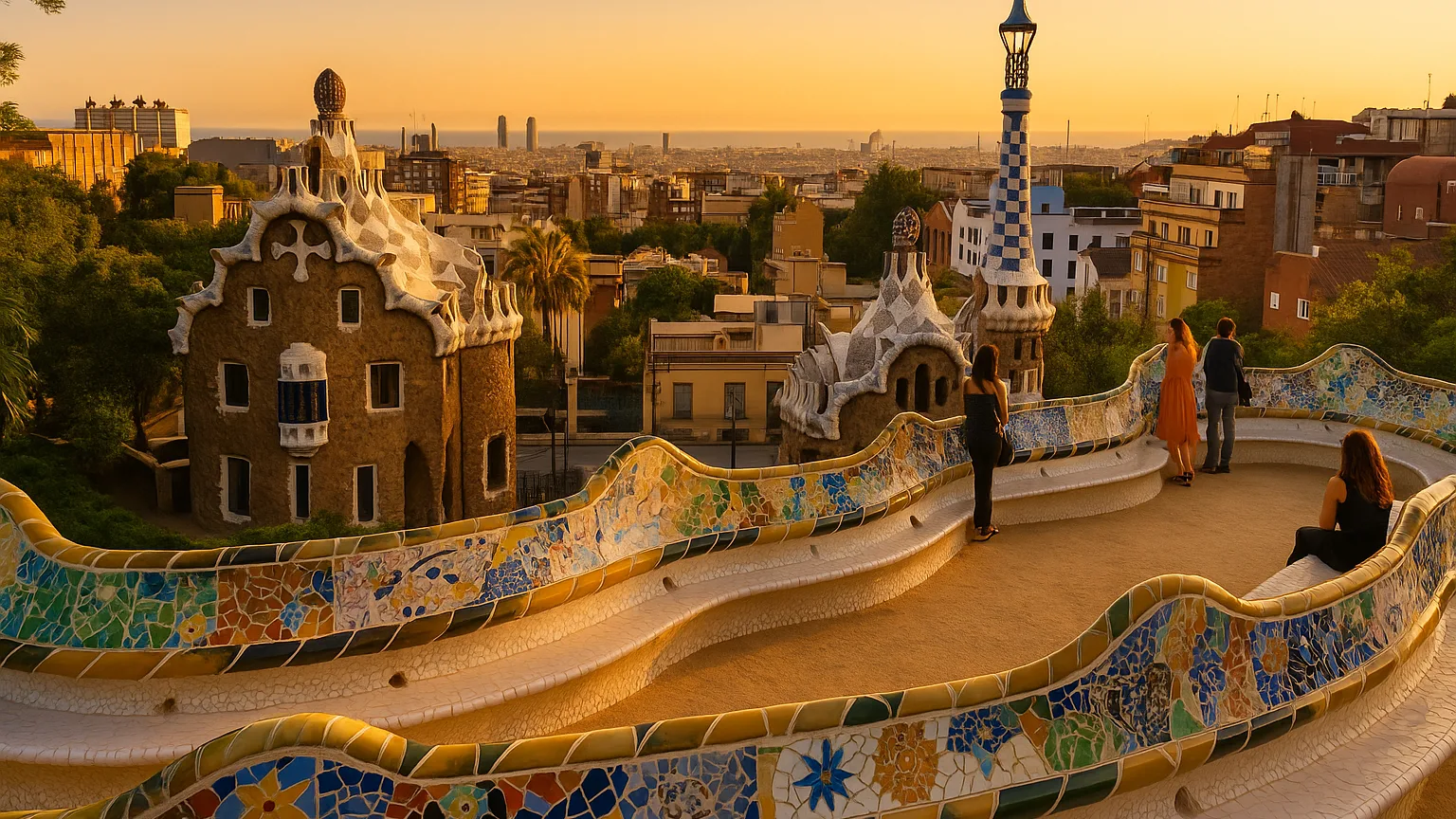
Also look at the order of stops. A route that begins with Sagrada Familia and then moves through Eixample is different from one that starts in the Gothic Quarter and ends near Barceloneta beach. The second may be better if you want to finish by the water. The first may suit a day centred on Gaudí buildings. Watch for routes that zigzag across town, because travel time can quietly take over the experience.
For a day that includes Montjuïc hill, check how much climbing or transit is involved. For a route near Port Vell, consider whether you want time to linger by the water or only a brief pass. These details shape the feel of the day more than the number of names on the itinerary.
Check the pace and group size
Pace is one of the biggest sources of disappointment. A relaxed route gives time to look up at buildings, take photos and ask questions. A faster route may cover more sights but leave little room to absorb them. Look for signs of balance, such as guided segments followed by free time, or short walks rather than continuous movement.
Group size changes the experience. Smaller groups often make it easier to hear the guide and ask questions. Larger groups may move more slowly at busy sites and can feel less personal. Neither is automatically better. A solo traveller may enjoy the energy of a larger group, while a family may prefer a format that allows more flexibility.
Age and mobility deserve attention here. If anyone in the group finds long walks tiring, look for a route with clear breaks and fewer changes of neighbourhood. Check whether the day involves stairs, uneven paving or extended time standing. When in doubt, ask before booking rather than trying to adjust on the day.
Language is another practical point. Confirm the language of the commentary and whether printed or audio support is available. A beautiful route becomes less useful if the explanations are hard to follow. If a particular subject matters to you, such as architecture or local history, check how much time is actually devoted to it.
Compare what is included, without assuming
Reading an itinerary carefully helps you separate the headline sights from the real experience. Some days focus on exterior viewing, while others include entry to major attractions. That difference affects both the pace and the amount of planning you need to do. Entry arrangements, timed slots and queue rules can change, so confirm them with whichever business you choose.
Food is another point to check. A mention of a market does not always mean a tasting stop, and a lunch break may be free time rather than a planned meal. If food is central to your choice, look for a clear description of what is included and what is not. Dietary needs should be raised before the day, not during it.
Transport also varies. Some routes are mainly on foot, some use public transport and some include other arrangements. Each has trade-offs. Walking gives a closer feel for the streets but takes energy. Transport covers distance but can add waiting time. A route through central Barcelona may combine both, so check the details and plan accordingly.
One local option is Girona & Costa Brava Day Trips From Barcelona. If you are comparing several possibilities, keep the same set of questions for each one: route, timing, meeting point, group size, language, inclusions and what happens if plans change. For example, searching for Girona & Costa Brava Day Trips From Barcelona official site may help you find a starting point for checking current details, but the key is to compare the actual day against your own priorities.
Read the timeline like a local
A good itinerary should make sense hour by hour. Look at when the day starts, how long each stop lasts and whether there is time for meals. A route that includes a major attraction, a market and a hilltop view needs realistic spacing. If the timeline is vague, ask for more detail before assuming the day will feel relaxed.
Consider the rhythm of the city. Markets are livelier earlier in the day. Popular landmarks can be busy at peak times. Streets in the old centre may feel crowded when cruise passengers are around, while Eixample can be calmer for a short break. A well-planned barcelona day tour takes these patterns into account instead of treating every hour as the same.
Weather can change the best order of stops. On a hot day, shaded streets and indoor visits may be more welcome than a long exposed walk. On a grey day, open viewpoints may still be worth it, but you may want more indoor time. If your date is flexible, check the forecast shortly before the day and see whether the route can be adjusted.
Ask the right questions before booking
Once a shortlist forms, a few careful questions can prevent most problems. Ask about the meeting point, the end point, the language, the maximum group size and the balance of walking and free time. Ask what is included and what you should plan separately. Ask how changes are handled if an attraction closes or access is restricted.
Do not rely on general assumptions about timings, entry rules or meal arrangements. Confirm the details with whichever business you choose, especially if the day is tied to a specific date. This is also the moment to mention mobility needs, dietary requirements or travelling with children. Clear answers before the day are worth more than vague promises.
It can help to write the confirmed plan in simple notes: start time, meeting place, main stops, breaks, finish point and contact method for the day. Keep those notes somewhere easy to find. This is not about overplanning. It simply means you can enjoy the day without trying to remember small details while you are out in the city.
Match the day to the kind of trip you want
If you want a broad introduction, choose a route that links a few famous sights with time in the old streets. If you want depth, choose a theme and accept that you will skip some famous names. If you are travelling with children, shorter segments and clear breaks may matter more than a dense itinerary. If you are travelling for photography, early starts and quieter streets may be worth the effort.
A barcelona day tour should fit the rest of your visit, not take it over. Leave room for a slow coffee, an unplanned turn down a side street or a longer look at a façade that catches your eye. The city is good at rewarding curiosity, and the best day plans leave some space for it.
The final check is simple: can you picture the day from start to finish, and does that picture suit the people travelling? If the answer is yes, the choice is likely sound. If the route feels too tight, too generic or unclear on practical points, keep looking. A well-matched day feels purposeful without becoming exhausting.
Girona & Costa Brava Day Trips From Barcelona is located at Eixample, Pg. de Gràcia, 66, 71, Eixample, 08007 Barcelona, Spain. Phone: +34 632 93 79 41.